


The Psychology of Bluffing
Bluffing in poker transcends being just a strategic move; it delves deeply into the psychological dynamics at play between the bluffer and their opponents. To execute a successful bluff, players must understand their rivals’ mindsets. This involves keen observation of behavioral cues, body language, and betting patterns. A skilled bluffer can evoke feelings of fear or uncertainty in their opponents, compelling them to make critical errors in judgment, much like those found among uk casino sister sites where psychological strategies impact player decisions. This psychological edge is not merely an accessory to the game; it can significantly sway the outcomes of hands, transforming poker into a cerebral contest.
Assessing the emotional state of the table is crucial when engaging in bluffing. Players exuding overconfidence may be less likely to fold compared to those who seem apprehensive about their hands. Crafting a believable narrative through one’s actions and bets is essential. For example, if an opponent appears firmly committed to a play, executing a well-timed bluff can shatter their confidence, leading them to reconsider their strategy. This intricate interplay of psychology elevates poker beyond a mere card game, creating a rich battlefield of mental warfare.
Moreover, the timing of a bluff is vital to its success. Knowing when to strike is just as critical as the bluff itself. A well-timed bluff can exploit tendencies of opponents who may lean towards aggression or caution. Ultimately, bluffing becomes a sophisticated game within the game, where the expectations and perceptions of each player shape their decision-making processes, creating a complex web of strategic deception that defines high-stakes poker.
Types of Bluffs in Poker
Bluffing is not a one-size-fits-all endeavor; various types of bluffs exist that players can employ based on the specific context of the game. The pure bluff is perhaps the most recognized type, where a player holds a weak hand but bets aggressively to induce folds from opponents. This strategy requires not just confidence but also a refined ability to read the room. Players adept at deception can execute this tactic effectively, ensuring their betting narrative aligns with the perceived strength of their hand, thereby increasing the likelihood of success.
Another notable type is the semi-bluff, which occurs when a player bets or raises with a hand that isn’t strong yet has the potential to improve in subsequent rounds. This approach has dual advantages: it can persuade opponents to fold stronger hands while keeping open the possibility of developing a robust hand if the next cards align favorably. A comprehensive understanding of when to use each type of bluff is essential for maintaining an element of surprise and maximizing success rates.

Additionally, the overbet bluff serves as a powerful tool in a player’s arsenal. By placing a bet larger than usual, players can create doubt in their opponents’ minds, who might interpret this inflated bet as a sign of strength. While this type of bluff carries the risk of being called, when executed with finesse, it can yield significant rewards. Recognizing the right moments to deploy these diverse bluff types is a critical aspect of any player aiming to enhance their game and outsmart their opponents.
Building a Reputation for Bluffing
Establishing a reputation as a bluffer in poker can be a double-edged sword. On one hand, a player known for their bluffing tactics can instill fear in opponents, who may become more likely to fold against perceived strength. On the other hand, this reputation can backfire, leading opponents to call more frequently, expecting a bluff. Therefore, balancing one’s image at the table is crucial. Occasionally revealing strong hands while bluffing can add depth and credibility to one’s strategy, making it harder for opponents to read their play.
Moreover, adjusting the frequency and timing of bluffing based on table dynamics is essential for maintaining an edge. A player recognized for their bluffs may find greater success at a tight table, where opponents tend to play conservatively. Conversely, at a loose table, bluffing may become less effective, as players are more willing to stay in the game regardless of hand strength. By observing the dynamics and adjusting their approach, players can manipulate their reputation to their advantage, creating an unpredictable and successful playing style.
Consistency in actions further enhances a player’s ability to bluff effectively. By varying play styles and showcasing diverse betting patterns, players can keep their opponents guessing. The ultimate goal is to cultivate an aura of unpredictability, where even regular bluffs become an enigma for peers. This delicate art of subtlety and deception transforms a reputation built through bluffing into a fundamental element of a comprehensive poker strategy, equipping players to thrive in competitive environments.
The Importance of Position in Bluffing
In poker, position plays a pivotal role in the success of a bluff. Players who act later in the betting round have the advantage of information, enabling them to observe the actions of others before making their decisions. This strategic advantage allows them to gauge whether an aggressive bluff might induce earlier players to fold their strong hands. Understanding the subtleties of position can dramatically alter outcomes in games where bluffing is a critical tactic.
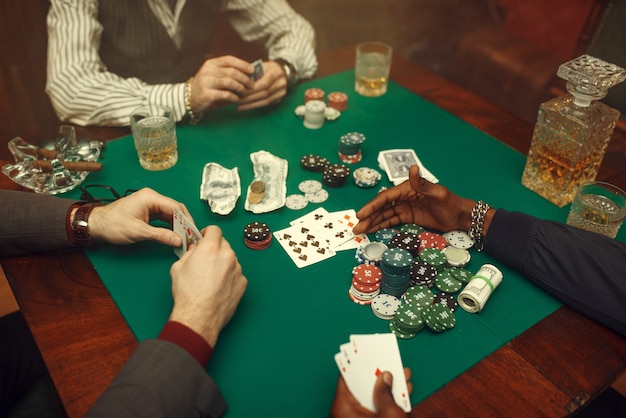
When positioned late at the table, a player can capitalize on the tendencies of those in earlier positions, who tend to be more cautious. This creates ample opportunities for successful bluffs. Additionally, being attuned to the overall table dynamics—such as identifying aggressive players likely to call versus passive players who might fold—can greatly influence the effectiveness of a bluff. Tailoring one’s bluffing strategy according to position is vital for maximizing gains while minimizing risks involved with bluffing.
Conversely, bluffing from an early position presents greater challenges, as it exposes a player to actions from multiple opponents. In such situations, exercising restraint may be prudent, with the understanding that waiting for a more favorable opportunity could yield better results. By leveraging an awareness of positional dynamics, players can select their bluffing moments wisely, enhancing their chances of success while mitigating unnecessary risks associated with premature bets.
Enhancing Your Bluffing Skills Through Practice
Mastering the art of bluffing requires continuous practice and experience. Engaging in mock games or utilizing poker training software can significantly enhance one’s skills, providing insights into effective bluffing techniques. Practice scenarios allow players to experiment with various bluffing strategies without the pressure of real-money stakes. Understanding how opponents react during these practice sessions can yield invaluable lessons, ultimately improving performance in live games.
Furthermore, reviewing recorded play sessions can serve as an effective learning tool. By analyzing decisions made during specific hands, players can identify patterns in their bluffing strategies that either succeeded or failed, allowing for further refinement. This self-reflective process fosters a more strategic approach to bluffing, enhancing one’s understanding of the contexts that lead to successful outcomes. Players can evolve their strategies incrementally, developing an acute sense of when and how to bluff effectively.
Engaging with a community of seasoned players adds another layer of improvement. By sharing stories and insights with fellow poker enthusiasts, players can deepen their comprehension of bluffing dynamics. Combining personal experiences with collective knowledge is vital for mastering the art of bluffing, giving players a competitive edge at the poker table. This collaborative learning fosters innovative strategies and enriches the overall poker experience, ultimately contributing to a player’s success.