


The Best Rifle Ammo for Accuracy, Hunting, and Self-Defense
A hunter lining up a shot at 200 yards relies on the cartridge’s internal ballistics to deliver a flat trajectory and consistent expansion on impact. Rifle ammo consists of a primed case, propellant powder, and a bullet seated to a specific overall length, which together create controlled gas pressure when the firing pin strikes. This pressure propels the bullet at a high velocity, providing the energy needed for predictable terminal performance across various distances. To maximize accuracy, you must match the bullet weight and construction to your rifle’s twist rate and intended game.
Understanding the Basics: What Exactly Is Rifle Ammunition?

Rifle ammunition is a self-contained ignition system, typically a brass cartridge uniting four critical components: the primer, propellant powder, bullet, and case. The primer, struck by the firing pin, ignites the powder, creating rapidly expanding gas that drives the bullet down the barrel. Crucially, the cartridge’s overall length and bullet weight dictate your rifle’s twist rate requirements and ballistic trajectory. Choosing the wrong grain weight can drastically alter your point of impact and even cause pressure issues in a barrel not designed for it. Understanding these core mechanics directly translates to Shotgun Ammo for Sale safer handling and more accurate shot placement. *Yet, the true art lies in recognizing that every rifle is a unique system, demanding deliberate ammunition matching for optimal performance.*
Cartridge Anatomy: Breaking Down the Casing, Primer, Powder, and Projectile
The cartridge is a precision assembly of four distinct components, each with a mandatory role in controlled ignition. The casing anatomy begins with the brass or steel body, which holds everything together and seals the chamber upon firing. The primer, seated in the base, is a sensitive compound that detonates when struck by the firing pin, generating the initial flash. That flash ignites the powder—a propellant whose burn rate and grain size dictate velocity and pressure. Finally, the projectile, seated at the case mouth, is gripped by neck tension to ensure consistent release. *Without correct tension, accuracy deteriorates as the bullet exits irregularly.* Understanding this chain is essential for safe handling and reliable cycling in your rifle.
Centerfire vs. Rimfire: Which Design Suits Your Needs?
When choosing between centerfire vs. rimfire for your rifle, prioritize your intended reloading volume and shooting frequency. Rimfire rounds, like .22 LR, have the primer compound spun inside the case rim, making them inexpensive and ideal for high-volume plinking or small-game hunting, but they are not reloadable and can suffer from occasional misfires. Centerfire cartridges seat the primer in the case head’s central pocket, offering robust ignition, higher pressures, and full reloadability—suited for serious target work, large-game hunting, or defensive use. If you demand maximum economy per trigger pull and accept a single-use case, rimfire wins. If you want consistent ignition under varied conditions and long-term cost savings through handloading, centerfire is the practical choice. Assess your recoil tolerance and the need for terminal performance: rimfire suits low-recoil training, while centerfire delivers Handgun Ammo for Sale the punch for medium-to-large game.
Centerfire excels in reliability, power, and reloadability; rimfire wins on raw cost and simplicity—choose based on your shooting volume and performance demands.
How to Match the Right Cartridge to Your Rifle’s Purpose
Matching the 6.5 PRC Ammo for Sale cartridge to your rifle’s purpose begins with defining the job—long-range precision demands high ballistic coefficients and flat trajectories, like 6.5 Creedmoor, while close-cover hunting favors heavy, slow rounds such as .300 Blackout for subsonic energy transfer. For varmint control, prioritize light, fast bullets that fragment violently, whereas dangerous game requires deep-penetrating, heavy-for-caliber loads that maintain momentum through bone and muscle. Never compromise terminal performance for velocity alone, because a cartridge that shoots flat but under-penetrates fails ethically and practically. Always verify your rifle’s twist rate and magazine length, as subsonic or heavy bullets may not stabilize or fit, wasting accuracy and reliability. The best cartridge is the one that makes your specific shot—at your typical range, on your target—a forgone conclusion. Ultimately, match ammo to the densest, most predictable shot you’ll take, not the rare extreme.
Caliber vs. Cartridge: Why the Numbers on the Box Matter
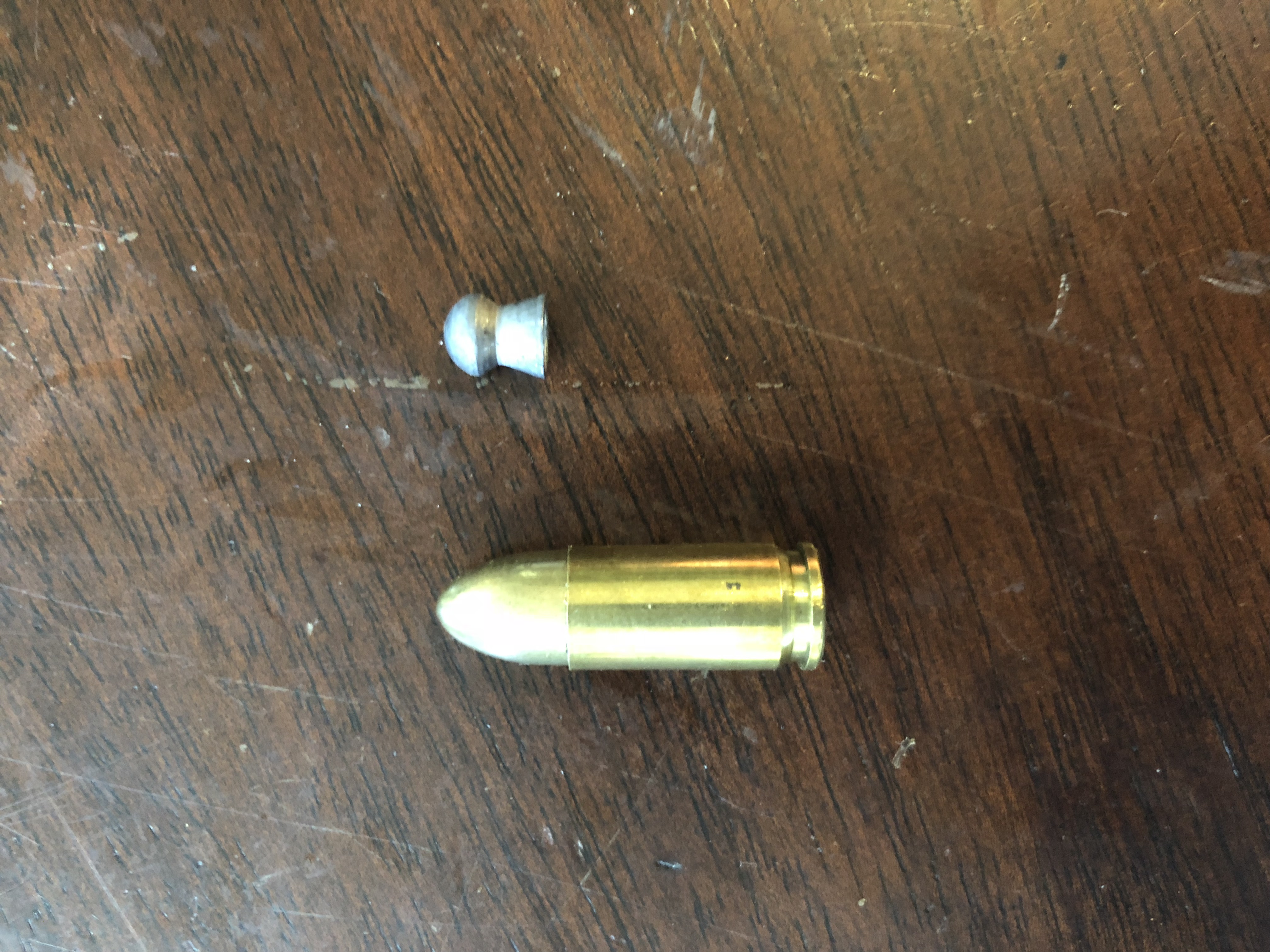
The caliber, often printed as a decimal like .308 or 6.5mm, refers only to the bullet’s nominal diameter. The cartridge, however, is the complete assembly—case length, powder charge, and pressure limits—which dictates actual performance. Two boxes may share a caliber, yet the cartridge name, such as .308 Win versus .300 Win Mag, changes case geometry and velocity drastically. Matching the full cartridge designation to your rifle’s chamber is non-negotiable; a .243 bullet will not safely fire from a .243 WSSM barrel, despite the same projectile width. The numbers on the box define case capacity and overall length, which determine whether the round fits your magazine and bolt face. Ignoring the suffix, like “Rem” or “AI,” risks a dangerous pressure mismatch.
Q: Why do two cartridges share a caliber but not interchange?
A: Because the cartridge case length, rim diameter, and shoulder angle differ, altering chamber fit and pressure. The bolt Ammunition for Sale face and magazine feed rails are machined for a specific case, not just the bullet width.
Choosing Between Light, Standard, and Heavy Bullet Weights
Selecting bullet weight hinges on your target’s reaction to impact and your rifle’s twist rate. Choosing between light, standard, and heavy bullet weights dictates trajectory, energy transfer, and barrel harmonics. Light projectiles (e.g., 55-grain .223) deliver flat, fast shots with minimal recoil, ideal for varmints and paper. Standard weights (62–69 grain) balance wind drift and terminal performance for general-purpose use. Heavy bullets (77 grain or 180-grain .30-cal) excel at long range due to superior ballistic coefficients but require a faster twist (1:7 or 1:8) to stabilize; 7mm-08 Ammo for Sale a slow twist (1:12) will keyhole them. Test each weight at 100 yards, checking group size and velocity consistency, before committing to a hunting or match load.
Key Performance Features to Look For in Quality Loads

When scoping out quality rifle ammo, the first thing to check is **consistent muzzle velocity**—a tight standard deviation means your shots land in the same spot downrange, which is huge for precision work. Look for loads with a high ballistic coefficient in the bullet, since that translates to flatter trajectories and better wind resistance. Also, examine the cartridge’s neck tension and bullet seating depth; uniform crimping prevents setback and keeps pressure curves stable. Pay attention to brass quality—annealed, thick-walled casings handle higher pressures without splitting. Finally, test the ammo’s grouping at 100 yards; sub-MOA performance is the gold standard. A quick Q&A: *What’s the single most reliable indicator of a quality load?* — A low extreme spread in velocity across a 10-shot string, because that directly ties to shot-to-shot consistency you can actually feel. Stick with proven lots, and you’ll know before you even pull the trigger.
Ballistic Coefficient and Muzzle Velocity: What They Mean for Your Shot
When judging rifle ammo, ballistic coefficient and muzzle velocity work as a team to define your effective range. A high BC resists wind drift and retains downrange energy, but it only shines if the muzzle velocity launches that sleek projectile fast enough to stabilize it. Conversely, a screaming-fast bullet with a poor BC sheds speed quickly, causing rainbow trajectories and frustrating misses at distance. For hunting, pair a BC above 0.4 with a velocity that keeps your bullet supersonic past 800 yards—this combo gives you a flatter arc, harder impact, and less guesswork when the wind kicks up.
High BC plus optimal muzzle velocity equals predictable, long-range precision; ignore either, and your shot suffers.
Expansion vs. Penetration: Selecting the Right Bullet Tip Type
Choosing between expansion and penetration starts with your bullet tip type, as this single component dictates terminal behavior. Polymer-tipped rounds, like those in a ballistic-tip load, initiate rapid expansion upon impact, creating devastating wound channels ideal for varmints or thin-skinned game at moderate ranges. Conversely, bonded-core or monolithic solid tips retain mass and drive deeper, penetrating heavy bone and muscle for dangerous or large-bodied animals. However, a soft-tip design offers a pragmatic middle ground, expanding reliably at lower velocities while still sustaining enough structural integrity for respectable depth. Match the tip to your target’s size and the likely shot distance—never assume one profile fits all scenarios. Selecting the right bullet tip type directly balances hydrostatic shock against pass-through capability, so prioritize impact velocity data before committing to a box.
Expansion maximizes immediate tissue damage; penetration guarantees vitals reach—your bullet tip type decides which sacrifice you make per shot.

Practical Tips for Buying and Storing Your Ammunition
When buying rifle ammo, always match the cartridge to your rifle’s chamber and intended use, checking the box for lot numbers to ensure consistent performance. Purchase in bulk from reputable dealers to save money, but avoid mixing old and new stock. For storage, keep your ammunition in a cool, dry place—ideally below 75°F with low humidity—using sealed ammo cans with silica gel packs to prevent corrosion. Rotate your stock by using the oldest rounds first, and never store loose rounds in a fabric pouch, as moisture and impact can deform cases. Finally, inspect each round before loading; a dented case or loose Rifle Ammo for Sale primer is a clear warning sign. These habits ensure your rifle ammo remains reliable for years, shot after shot, when you need it most.
How to Read a Box Label and Avoid Mismatched Loads
When reading a rifle ammo box, first verify the caliber designation and cartridge name—e.g., .308 Win vs. 7.62×51—as these are not always interchangeable despite visual similarity. Cross-check the bullet weight (grains) against your rifle’s twist rate, since a 1:12 twist may stabilize 150-gr but not 180-gr loads. Inspect the velocity and pressure rating, usually in fps or CUP/PSI, to ensure they fall within 7mm WSM Ammo for Sale your firearm’s certified limits. Confirm the primer type (centerfire vs. rimfire) and bullet profile (spitzer, flat-base, boat-tail) to avoid feeding issues in tubular magazines or chamber throats. Finally, match the lot number on the box to your stored inventory, and never assume a similar headstamp means identical load data.
Always match caliber, weight, pressure, and profile to your rifle’s specs—never rely on box color or brand alone.
Proper Storage Conditions to Preserve Primer and Powder Life
To preserve primer and powder life, treat your rifle ammo like a sensitive instrument, not a sack of potatoes. Heat is the arch-enemy; never leave boxes in a sun-baked car trunk or near radiators, as accelerated chemical breakdown silently degrades propellant burn rates. Stable, cool temperatures around 55–70°F are ideal, while extreme cold won’t hurt but rapid temperature swings can cause condensation. Equally critical is sealing out humidity—store ammo in airtight, military-style cans with desiccant packs to keep moisture from corroding primers and causing erratic pressures. Rimfire Ammo for Sale Finally, keep rounds in a dark, vibration-free space, as UV light and constant jostling can destabilize nitrocellulose compounds and shift powder granules. Consistency in these conditions ensures your first shot fires exactly like your last.
- Use a sealed ammo can with a rubber gasket plus silica gel desiccant to lock out moisture.
- Maintain a stable 55–70°F environment, avoiding attics and garages with wild temperature swings.
- Elevate your storage container off concrete floors to prevent wicking dampness into the cardboard or plastic.
- Rotate stock annually, labeling purchase dates to use older ammo first before slow decay sets in.
Common Usage Scenarios and the Best Rounds for Each
For varmint hunting and predator control, the .223 Remington or .22-250 Remington are top picks—flat-shooting and light-recoiling, perfect for prairie dogs or coyotes at medium range. When you’re after whitetail deer in brushy woods, the .30-30 Winchester with a soft-point round shines inside 150 yards, delivering reliable expansion without over-penetration. For long-range target shooting or steel plates, the 6.5 Creedmoor dominates, thanks to its high 6.5 Creedmoor Ammo for Sale ballistic coefficient and low wind drift—match-grade ammunition with a 140-grain bullet keeps groups tight out to 1,000 yards. If you need bear or moose protection, the .458 SOCOM or .450 Bushmaster in subsonic or heavy hard-cast loads offers massive stopping power inside 100 yards, ideal for thick timber or close-quarters defense.
Target Shooting and Plinking: Affordable Rounds for High Volume Practice
For target shooting and specialty sports plinking, the goal is affordable rounds for high volume practice, so prioritize cost-per-round without sacrificing reliability. Rimfire .22 LR is the undisputed king here, letting you refine trigger control and sight alignment for pennies, with subsonic loads reducing noise for backyard setups. If you need centerfire punch, steel-cased 5.56 NATO or 7.62×39 offers the cheapest way to burn through hundreds of rounds while cycling semiautos reliably. Choose bulk-packed ammunition with consistent velocity, and follow this simple sequence: first, verify your rifle’s twist rate for bullet weight; second, buy a case (500–1,000 rounds) for wholesale pricing; third, run a quick function test of 20 rounds for feeding and ejection. Skip premium hunting loads—your groups will tighten more from repetition than from expensive projectiles, and plinking demands quantity over precision.
Hunting and Long-Range: High-Performance Options for Accuracy and Impact
For hunting and long-range work, you’re balancing terminal performance with trajectory. High-performance options for accuracy and impact usually mean heavy-for-caliber bullets with high ballistic coefficients, like the 6.5 Creedmoor with 140-grain ELD-X or the .300 PRC with 212-grain LRX. These retain energy downrange, expand reliably at lower velocities, and buck wind better than lighter rounds. *But shot placement still matters more than any cartridge—match your ammo to the animal’s vitals and your maximum ethical distance.*
- Choose bonded or monolithic bullets for deep penetration on big game.
- Verify zero at 200 yards and confirm drops out to 600+ with the same lot number.
- Use a chronograph to track velocity consistency—extreme spread under 15 fps tightens groups.
- Match twist rate to bullet length for stable flight at extended ranges.
Frequently Asked Questions About Ammunition Performance
When shooters ask about rifle ammo performance, the first question is usually about bullet drop—how much will your round fall at 200 or 300 yards? That depends on ballistic coefficient and muzzle velocity, not just grain weight. Another frequent query: why does the same load shoot tighter from one barrel than another? Barrel twist rate and harmonics play a bigger role than most folks think. People also wonder if a lighter bullet always means less recoil—true, but velocity spikes can flip that. And “how does temperature affect ammunition performance?” is a classic: powder burns faster in heat, raising pressure and velocity, while cold air thins and alters drag. Finally, don’t ignore seating depth—it changes jump to the rifling, which directly impacts accuracy. Test yours.
Does Bullet Grain Weight Affect Recoil and Trajectory?
Yes, bullet grain weight significantly affects both recoil and trajectory. Heavier projectiles, such as a 175-grain .308 load, produce greater felt recoil due to higher momentum, though the perceived impulse can feel slower and more push-like compared to lighter loads. Conversely, lighter bullets like a 155-grain option accelerate faster, delivering a sharper recoil kick but reducing overall rearward force. In terms of trajectory, lighter bullets exit the muzzle at higher velocities, resulting in a flatter arc and less drop at extended ranges. However, heavier bullets retain velocity better downrange, often exhibiting less wind drift and a more stable, predictable flight path despite a lower initial speed. Therefore, your choice hinges on the balance between recoil management and ballistic efficiency for your specific shooting application.
| Grain Weight | Recoil Characteristics | Trajectory Behavior |
|---|---|---|
| Light (e.g., 55gr .223) | Sharper, quicker impulse | Flat initial arc, more drop at long range |
| Heavy (e.g., 77gr .223) | Heavier, slower push | More drop early, better retained velocity and wind resistance |
Why Do Some Rounds Fail to Feed or Fire—and How to Prevent It
Feeding and firing failures often trace back to case dimensions, primer seating, or your rifle’s fit. A cartridge with a slightly oversized rim or a burred extractor groove can hang up mid-cycle, while a high or low primer pocket prevents the firing pin from delivering a decisive strike. To prevent these stoppages, always gauge your loaded rounds—a Wilson case gauge is the fastest check. Also, inspect your magazine lips and bolt face for carbon buildup, since debris mimics tolerance issues. For a reliable fix, follow this sequence:
- Measure case length and headspace
- Deburr flash holes and chamfer case mouths
- Seat primers flush with consistent press feel
- Function-test five dummy rounds manually before live fire
Finally, proper cartridge-to-chamber headspace alignment eliminates most misfeeds, so never force a round that resists chambering.